
Why Speed to Lead Matters More Than Lead Volume in Pest Control
Most Pest Control Companies Don’t Have a Lead Problem One of the biggest misconceptions in pest control marketing is the belief that growth always requires more leads. In reality, many companies are already generating enough opportunities to grow. The real issue is what happens after those leads come in. Calls go unanswered. Form submissions sit too long before a response. Follow-up becomes inconsistent once technicians get busy or office staff get overwhelmed. Over time, opportunities that were already paid for through marketing are lost simply because the response process is not structured well enough. This is where the concept of speed to lead becomes critical. In pest control, the company that responds first often has a major advantage—not just because they were faster, but because they shaped the interaction before competitors had the chance. Pest Control Is an Urgency-Driven Industry Unlike many service industries, pest control decisions are often emotional and time-sensitive. When a homeowner discovers rodents in the attic, sees cockroaches in the kitchen, or gets swarmed by mosquitoes in the backyard, they are not casually browsing for options. They are actively looking for a solution. In that moment, response time matters. Many homeowners contact multiple companies at once. They may submit two or three quote forms within minutes or call several providers back-to-back. The first company that responds professionally and confidently immediately gains an advantage. That does not mean the cheapest company wins. It means the company that feels most responsive and organized often becomes the default choice. Every Minute of Delay Reduces Conversion Potential A common mistake in pest control marketing is focusing heavily on lead generation while underestimating the importance of lead handling. Companies spend thousands on SEO, Google Ads, Local Service Ads, and website development but then allow leads to sit for hours before anyone responds. The problem is that lead intent fades quickly. The longer a prospect waits, the more likely they are to: Even small delays can impact conversion rates significantly. In competitive markets especially, speed becomes part of the customer experience. A fast response signals professionalism, organization, and reliability before the first service even takes place. Missed Calls Are One of the Biggest Revenue Leaks in Pest Control For many pest control companies, the phone is still the primary conversion point. That creates a major issue when calls are missed. Most homeowners are not leaving detailed voicemails and waiting patiently for a callback. If a call goes unanswered, many immediately move on to the next company in search results. This means missed calls are not just missed conversations—they are often lost revenue. One of the simplest improvements companies can make is implementing systems around missed call response. That includes: These systems help recover opportunities that would otherwise disappear completely. Automation Creates Consistency As lead volume grows, consistency becomes harder to maintain manually. This is where automation becomes valuable—not because it replaces people, but because it supports speed and structure. Companies that perform well typically build processes that ensure every lead receives immediate acknowledgment, even if a full conversation cannot happen right away. That may include: These systems help create continuity and reduce the number of opportunities that fall through the cracks. Most importantly, they allow the business to maintain responsiveness even during busy periods. Faster Response Times Improve Marketing Performance One of the most overlooked benefits of strong lead management is that it improves the effectiveness of every other marketing channel. When conversion rates improve, existing marketing dollars produce more revenue. That means: This is important because many companies try to solve conversion problems by increasing ad spend instead of improving the process behind the leads they already generate. In many cases, improving speed to lead creates more growth than increasing lead volume. The Customer Experience Starts Before the Service Appointment Many companies think customer experience begins when the technician arrives. In reality, it begins the moment a lead reaches out. How quickly someone receives a response, how clearly communication is handled, and how organized the process feels all influence the customer’s perception of the company. A fast, professional response builds confidence immediately. A delayed or inconsistent response creates doubt before the relationship even begins. This matters even more in pest control because homeowners are often already stressed or uncomfortable about the issue they are dealing with. The company that creates reassurance early tends to stand out. Existing Leads Are Usually the Bigger Opportunity When companies focus entirely on generating more leads, they often overlook how much revenue is already sitting inside their pipeline. Unconverted estimates, old customers, inactive leads, and unfinished follow-up sequences all represent opportunities that can often be reactivated with the right process. This is why strong lead management extends beyond just the first response. Companies that build structured follow-up systems are able to: Over time, this creates more predictable growth without relying entirely on constantly increasing lead volume. Growth Comes From Converting More of the Opportunities You Already Have The pest control companies that grow consistently are not always the ones generating the highest number of leads. Often, they are the ones converting a higher percentage of the opportunities already coming in. They respond faster. They follow up more consistently. They build systems that reduce missed opportunities and create a smoother customer experience. Over time, these operational advantages compound. Instead of constantly chasing more traffic, they improve the efficiency of the entire system. That creates stronger margins, more predictable revenue, and more sustainable growth. Take a Closer Look at What Happens After the Lead Comes In If you’re investing in marketing but still feel like opportunities are slipping through the cracks, it may be worth evaluating your lead management process more closely. That includes: In many pest control companies, the biggest growth opportunity is not generating more leads. It’s improving what happens after the lead already exists.
The Truth About “Bad Leads” in Pest Control — Spoiler: It’s Not the Leads
Many pest control companies attribute low booking rates to “bad leads.” It’s one of the most common concerns owners express when evaluating their marketing performance. However, in most cases, lead quality is not the true issue. More often, the root problem lies in slow responses, inconsistent follow-up, or gaps in the operational systems responsible for handling new inquiries. This article breaks down the real factors behind low lead-to-customer conversions and explains how improving internal processes can significantly increase revenue—without increasing marketing spend. Why “Lead Quality” Is Often Misinterpreted A lead is frequently labeled “bad” when the customer doesn’t answer the phone immediately or book a service on the first attempt. But in today’s consumer environment, that’s unrealistic. Customers often: A homeowner searching for ant control, rodent removal, or a termite inspection may reach out to several companies within minutes. If your team isn’t first—or doesn’t follow up consistently—the lead appears unqualified when it was actually still evaluating options. The Real Issue: Response Time and Follow-Up Consistency When pests are involved, urgency matters. A delayed response, even by a few minutes, can cause one company to lose the job to a competitor who replies faster. Common breakdowns include: These gaps create the perception of poor lead quality when the actual issue is process inconsistency. Why Many Customers Don’t Respond Immediately The assumption that a non-responsive lead is a bad lead overlooks normal consumer behavior. People often miss the first call because they’re at work, busy with family, or evaluating multiple companies. Many pest control customers simply want: A lead who doesn’t answer immediately is still a viable opportunity—if the follow-up process continues. The Value of a Structured Follow-Up System High-performing pest control companies rely on multi-step follow-up systems rather than single attempts. When follow-up is structured, automated, and predictable, conversion rates rise. A strong system typically includes: This transforms leads that appear cold into booked inspections or scheduled visits. How Automation Supports Better Conversion Automation ensures that every lead receives timely communication, even during busy seasons when call volume spikes. Automated follow-up can handle: Automation doesn’t replace your team—it supports them by closing the gaps that naturally occur during high-demand periods. How Lead Perception Improves When Systems Improve Once companies improve their follow-up structure, they often see immediate results: The same leads generate better outcomes because the process supporting them has improved. Shift the Focus From Lead Quality to System Quality Instead of asking, “Are the leads good?” pest control companies get clearer insights by asking: These questions highlight true opportunities for improvement. Conclusion Most “bad leads” in pest control are not actually low-quality—they are simply leads that weren’t contacted quickly enough, followed up with consistently enough, or nurtured through the right communication channels. When companies strengthen their systems, lead quality perception improves dramatically, and their marketing investment becomes far more profitable.
Designing Landing Pages for Pest Control Lead Generation
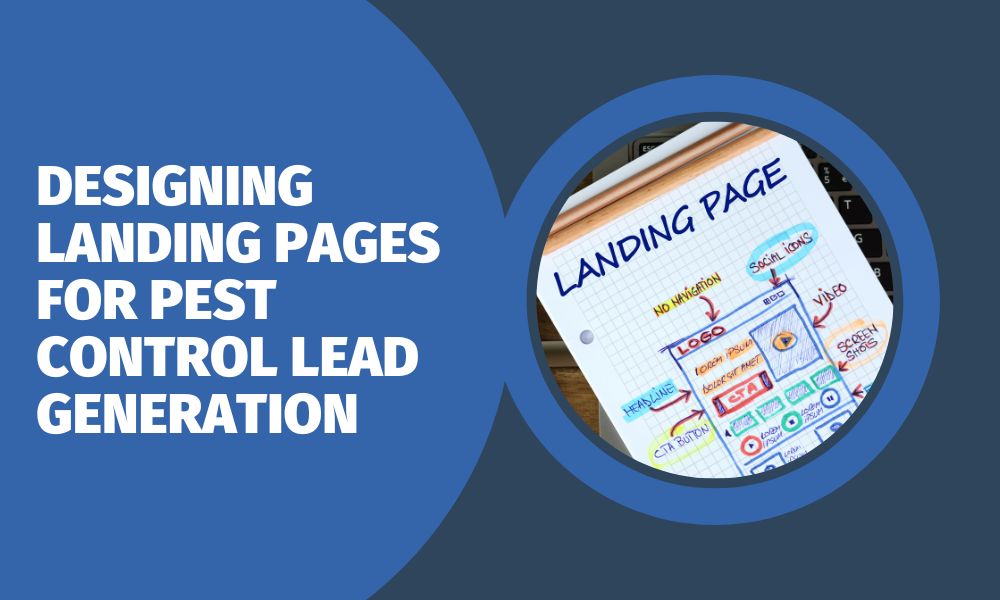
When homeowners or business owners search for pest control services online, they often have an urgent need. Whether dealing with an unexpected infestation or looking for long-term prevention, they want fast, reliable solutions—and your website needs to convince them that you’re the best choice. A landing page plays a crucial role in turning casual visitors into real customers. Unlike a traditional web page, which may contain broad information about your services, a landing page is highly focused. Its purpose is singular: to drive immediate action, whether it’s scheduling an inspection, requesting a quote, or signing up for pest management solutions. Many businesses overlook the power of well-optimized landing pages, losing potential leads due to ineffective design or unclear messaging. If your landing page isn’t converting, it’s time to refine the approach. What Separates a Landing Page from a Regular Website Page? Unlike service pages, which provide an overview of multiple offerings, landing pages are designed for specific campaigns, promotions, or lead generation efforts. They follow a simple formula: A landing page needs to streamline the visitor’s experience, making it as easy as possible to move from inquiry to action. Essential Components That Drive Conversions To make a landing page successful, every element must work toward persuading the visitor to take action. Strong landing pages typically include: By focusing on clarity, credibility, and ease of action, businesses increase the likelihood of converting website traffic into booked services. Writing Headlines That Instantly Grab Attention Your headline is the first impression, and it must immediately answer a key question: Why should a visitor choose your pest control service? Here’s how to write an impactful headline: A weak headline causes visitors to leave. A strong headline immediately reinforces confidence and encourages them to explore further. Structuring Your Landing Page for Maximum Engagement A landing page should feel effortless to navigate. If potential customers struggle to find key information, they’re more likely to exit without booking. Best practices for layout design: A well-structured page removes hesitation and makes conversion effortless. Reinforcing Trust with Reviews and Visual Proof Customers want assurance before committing to a service, and a landing page should provide visual and social proof to reinforce credibility. Effective ways to strengthen trust: A landing page that presents real-world success stories encourages more conversions. Creating Calls to Action That Drive Immediate Action A landing page must contain a clear, action-driven CTA that directs visitors toward the next step. A vague CTA reduces engagement, while a well-crafted one motivates customers to take action quickly. What makes a CTA effective? A powerful CTA guides visitors toward conversion, increasing the chances of lead generation. Tracking Performance and Optimizing for Better Results Landing pages require ongoing refinement to stay effective. By monitoring user behavior, businesses can make necessary adjustments to improve conversion rates. Key metrics to evaluate: Regular updates ensure the landing page continues to attract and convert new customers effectively. Increase Engagement and Drive More Inquiries with Expertly Crafted Landing Pages A landing page is one of the most effective tools for lead generation, helping pest control businesses turn website traffic into scheduled appointments. When built with strategy, trust, and compelling calls to action, it increases inquiries and ensures your services remain top-of-mind for potential customers. A strong landing page removes obstacles, simplifies decisions, and persuades visitors to take the next step with confidence. If your website isn’t converting as effectively as it should, refining your landing pages can make all the difference in your lead generation efforts. At Rhino Pest Control Marketing, we specialize in designing conversion-driven landing pages that maximize results. Whether your business needs local SEO optimization, Google Ads performance enhancements, or refined digital content strategies, our expertise ensures your online presence works efficiently to generate leads. Let Rhino Pest Control Marketing refine your strategy for maximum conversions. Contact us today to develop landing pages that drive real customer engagement and business growth.
Mining your database – Prospect Lists
On Season 4, Episode #13 of the Pest Control Marketing Domination Podcast, Rhino Pest Control Marketing’s CEO Casey Lewis discusses how pest control business owners can effectively mine their contact database to drive meaningful growth. A well-structured prospect list isn’t just a collection of names—it’s a strategic asset that, when optimized, leads to higher conversions, better customer engagement, and a stronger return on investment. In this episode, Casey breaks down key tactics for organizing and refining your contact database. He shares insights into tag protocols, seasonal plans, and segmenting lists to create sales funnels that align with customer needs. By mastering this approach, pest control business owners can leverage their existing contacts to secure more appointments and increase revenue. Key Takeaways: This episode provides actionable insights for pest control professionals looking to enhance their prospect lists, segment leads effectively, and convert database contacts into paying customers. Take a listen below:
Pest Control Marketing Automation
On Season 4, Episode #8 of the Pest Control Marketing Domination Podcast, Casey Lewis from Rhino Pest Control Marketing discusses the upcoming workshop on GoHighLevel software for pest control and the importance of AI in establishing sales goals for 2025 as we approach the heart of pest control season in Q2 and beyond. In this episode, Casey covers: 1. GoHighLevel Marketing Software Mastery 2. AI Integration in Marketing Take a listen below: