In Dallas–Fort Worth, More Marketing Doesn’t Equal More Growth
Most pest control companies in the DFW area are not struggling because they aren’t marketing. They’re struggling because their marketing isn’t structured to scale.
This is one of the most competitive pest control markets in the country. Nearly every company is running some combination of Google Ads, Local Service Ads, SEO, and social media. On the surface, it looks like everyone is doing the right things. But when you look closer, the results tell a different story.
Lead flow is inconsistent. Some months perform well, others fall off. Sales don’t always match lead volume. Increasing budget doesn’t always lead to better outcomes. In a market like Dallas–Fort Worth, doing more is not what creates growth. Executing better is.
Why Dallas–Fort Worth Is a Different Kind of Market
DFW is not a single market—it’s a collection of micro-markets spread across a massive metro area. Dallas, Fort Worth, Plano, Frisco, McKinney, Arlington, and surrounding suburbs all behave differently from both a competition and customer standpoint. That scale changes how marketing needs to be approached.
Companies that try to treat DFW as one unified service area often struggle with efficiency. Budget gets spread too thin, visibility becomes inconsistent, and campaigns fail to gain traction in the areas that matter most.
At the same time, competition is intense. National brands, large regional operators, and well-established local companies are all actively investing in digital marketing. This drives up competition across every major channel and makes average execution ineffective.
The service mix adds another layer of complexity. General pest control is highly competitive, but so are higher-value services like mosquito control, termite treatments, and rodent exclusion. Each of these services behaves differently from a marketing perspective, yet many companies approach them the same way.
Seasonality is also different in DFW. The warmer climate extends pest activity for longer periods of the year. Demand doesn’t drop off as sharply, but competition remains elevated for longer stretches as well. All of this creates a market where broad, unfocused marketing tends to stall out quickly.
The Impact of AI Search and Changing Visibility
In a market as competitive as Dallas–Fort Worth, visibility is no longer limited to traditional search rankings. AI-driven search results are becoming a larger part of how homeowners find and evaluate pest control companies. Google’s AI overviews and tools like ChatGPT are now influencing decisions before users ever click on a website.
This shift is especially important in a market like DFW, where homeowners have no shortage of options. When multiple companies are competing for the same search, the ones that show up in AI-generated summaries gain an early advantage. That changes how content needs to be created.
Instead of relying on generic service pages or surface-level blog content, companies need to build content that clearly answers real questions and demonstrates actual expertise. AI systems tend to prioritize content that is structured well, specific, and grounded in experience.
To compete in this environment, content should focus on:
- Answering specific questions homeowners are actively searching for
- Structuring information clearly so it can be easily understood and summarized
- Creating depth around services and locations within the DFW metro
- Providing insights that reflect real-world experience, not generic advice
In a crowded market, this becomes another layer of differentiation.
Where Most Pest Control Companies in DFW Lose Momentum
Even well-run companies tend to plateau in this market, and the reasons are consistent.
One of the most common issues is trying to cover too many service areas at once. Because DFW is so large, it’s easy to expand targeting too quickly. This dilutes the budget and reduces effectiveness, especially in high-competition areas.
Another issue is treating all services the same. General pest control, mosquito services, termite work, and rodent control each require different messaging and timing. When everything is grouped together, campaigns become less relevant and less effective.
Conversion is another major gap. In a market where homeowners have multiple options, small differences in messaging, layout, and clarity can determine whether a lead is generated or lost. Many companies underestimate how much impact this has.
Speed to lead also becomes more difficult as volume increases. Without systems in place, leads are missed or responded to too slowly, which directly affects close rates.
And finally, many companies focus heavily on acquiring new customers while overlooking opportunities within their existing base. In a market this competitive, long-term growth depends on both.
What Actually Works in Dallas–Fort Worth
The companies that grow consistently in DFW tend to approach marketing with more focus and structure.
Instead of trying to capture the entire metro at once, they prioritize specific service areas and build campaigns around them. This allows for stronger visibility, better control over performance, and more efficient use of budget.
They also separate services instead of combining them. This makes messaging more relevant and aligns campaigns with how homeowners actually search for solutions.
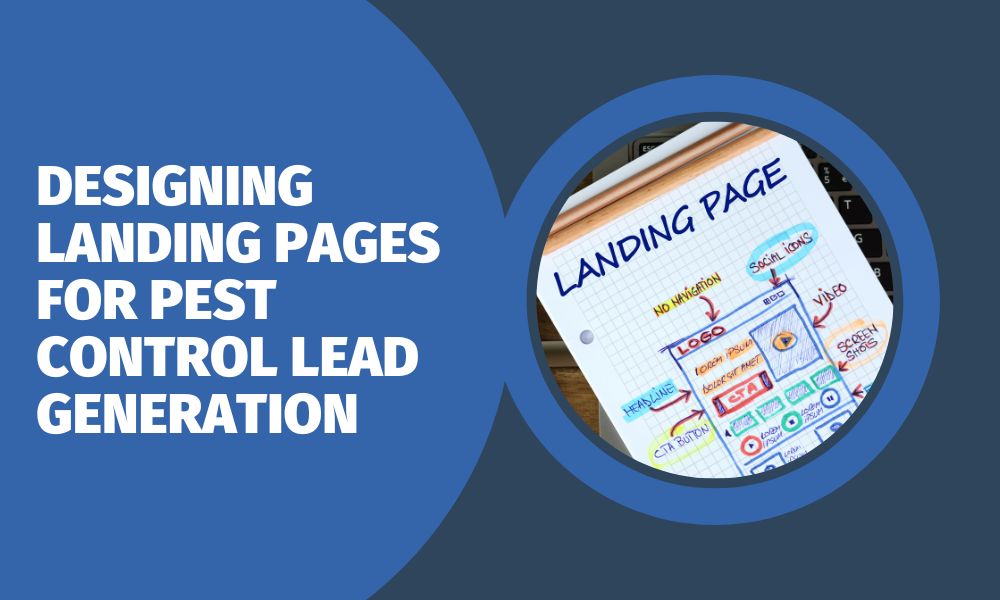
From a conversion standpoint, the difference is in how clearly the value is communicated. High-performing campaigns are supported by landing pages that are built specifically for the services and locations being targeted.
What consistently shows up in campaigns that perform well:
- Location-specific messaging that reflects the exact area being targeted
- Clear differentiation in crowded markets where multiple companies are competing
- Simple, direct calls to action that make it easy to take the next step
Once leads come in, structure becomes critical. Companies that implement systems for immediate response, organized follow-up, and pipeline tracking convert more of the opportunities they generate.
Beyond acquisition, growth becomes more stable when the customer base is actively used. In DFW, where competition for new leads is high, generating additional revenue from existing customers is often one of the most effective ways to grow.
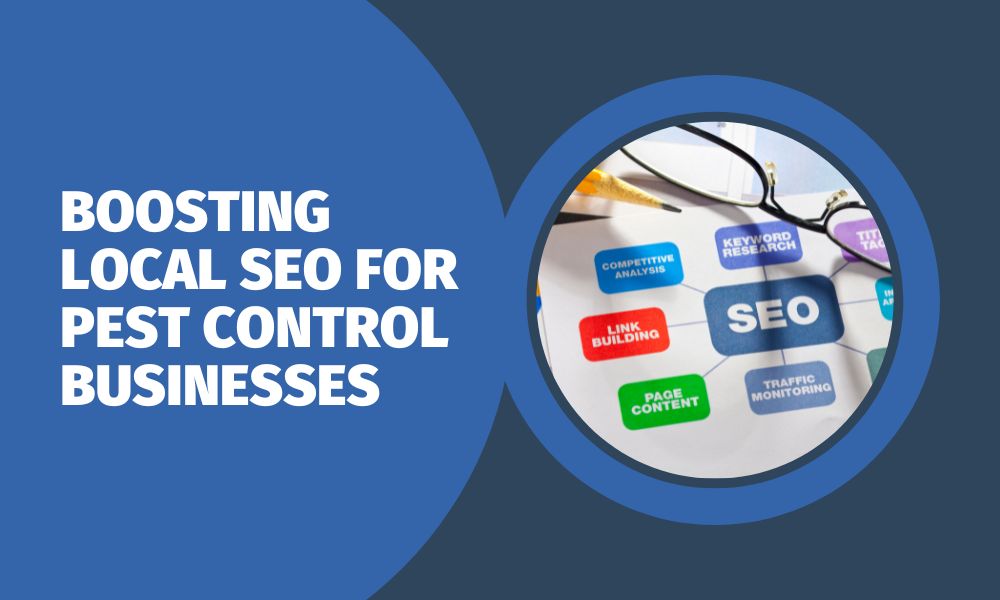
Local SEO supports this when it’s built intentionally. That means creating pages and content around specific cities and services within the metro, rather than relying on broad, generalized content.
A More Realistic View of Growth in DFW
Growth in Dallas–Fort Worth is rarely the result of a single change. It comes from improving how the entire system works together.
When targeting becomes more focused, conversion improves, and follow-up becomes consistent, results begin to stabilize. Lead flow becomes more predictable, and sales begin to align more closely with marketing efforts.
In many cases, companies don’t need more traffic. They need to get more out of the traffic they already have.
What It Takes to Win in Dallas–Fort Worth
DFW will continue to be one of the most competitive pest control markets in the country. The companies that succeed will be the ones that operate with clarity and discipline in how their marketing is structured.
That means:
- Focusing on specific service areas instead of trying to cover everything
- Segmenting services to match how customers actually search
- Prioritizing conversion just as much as lead generation
- Responding quickly and consistently to every opportunity
- Leveraging existing customers to create additional revenue
This is not a market where average execution produces strong results. But for companies that build the right system, it is one of the most scalable markets available.
Request a Breakdown of Your Current Marketing
If you’re operating in the Dallas–Fort Worth area and want a clearer understanding of how your marketing is performing, we can break it down for you. We’ll look at how your campaigns are structured, where performance is being lost, and what a more focused approach would look like based on your service areas and goals. From there, you’ll have a clear path to improving consistency, increasing conversion, and scaling with more control.